
Why Hormonal Imbalances Often Go Undetected for Long Periods
Hormones play an important role in regulating many body functions. They influence energy levels, mood, metabolism, sleep, appetite, reproduction, and overall physical balance. When hormone levels become disrupted, the body may begin showing various physical and emotional changes. However, hormonal imbalances often remain undetected for long periods because the symptoms can appear gradually and overlap with many common health concerns. Fatigue, mood changes, weight fluctuations, and sleep problems are frequently dismissed as stress or lifestyle issues. Understanding why hormonal imbalances are often overlooked helps explain the importance of paying closer attention to long-term body changes and overall wellness.
Overlapping Common Symptoms
One reason hormonal imbalances are difficult to detect is that many symptoms are highly common. Tiredness, headaches, irritability, and sleep disturbances affect large numbers of people regularly. Because these symptoms are so familiar, they are often connected to stress, aging, work pressure, or lack of rest instead of hormone-related issues. People may continue daily routines without realizing their symptoms are part of a larger hormonal imbalance. This overlap makes early identification more complicated for many individuals.
Developing Gradual Physical Changes

Hormonal imbalances often develop slowly rather than appearing suddenly. Small changes may happen over months or even years before becoming severe enough to attract medical attention. Gradual weight changes, reduced energy, skin issues, or irregular sleep patterns can slowly become part of everyday life. Many individuals adapt to these changes over time and begin viewing them as normal personal experiences rather than signs of imbalance. This slow progression often delays medical evaluation and treatment.
Associating Symptoms With Stress
Modern lifestyles involve high levels of stress for many people. Busy schedules, financial concerns, digital overload, and emotional pressure can all affect physical well-being. As a result, many symptoms connected to hormonal imbalance are automatically blamed on stress alone. Stress itself can also influence hormone production, making the situation more complicated. This connection between stress and hormone health can make it difficult to identify the original cause of ongoing symptoms.
Overlooking Preventive Health Checks
Many people seek medical care only when symptoms become severe or disruptive. Mild fatigue, mood swings, or occasional sleep problems may not seem serious enough to justify professional evaluation. Hormonal testing is not always part of routine health screenings unless specific symptoms or concerns are reported. Because of this, imbalances may remain unnoticed until they begin affecting daily function more significantly. Regular preventive healthcare can help identify patterns that might otherwise be ignored for long periods.
Experiencing Different Symptoms Individually
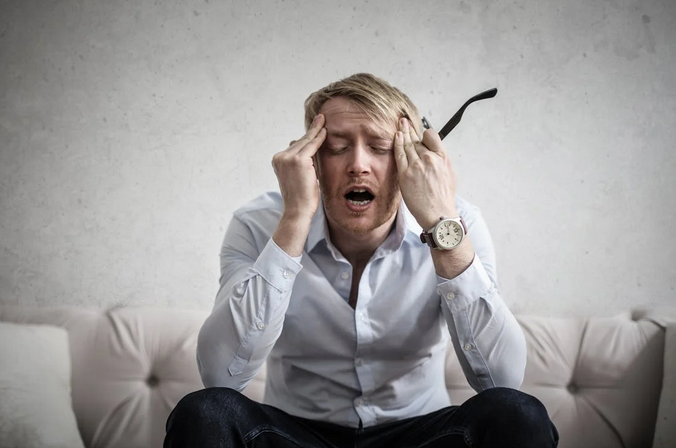
Hormonal imbalances do not affect everyone in the same way. Some individuals experience physical symptoms, while others notice emotional or mental changes first. This variation can make diagnosis more difficult because symptoms do not always follow one predictable pattern. Two people with similar hormone-related issues may experience completely different signs and severity levels. The wide range of possible symptoms often delays recognition and creates confusion about the underlying cause.
Normalizing Long-Term Discomfort
Many people become accustomed to living with discomfort over time. Chronic fatigue, low motivation, mood changes, or irregular sleep may slowly become accepted as part of daily life. Social expectations also contribute to this pattern. Some individuals feel pressure to continue functioning normally despite ongoing symptoms. As a result, hormone-related problems may remain hidden behind routines, responsibilities, and coping habits. Normalizing discomfort often prevents people from seeking answers until symptoms become more severe.
Hormonal imbalances often go undetected because symptoms develop gradually, overlap with common health concerns, and are frequently connected to stress or lifestyle habits instead of hormonal changes. Fatigue, mood shifts, sleep problems, and physical discomfort can slowly become normalized over time. The lack of routine hormonal screening and the wide variety of symptoms also make early detection more difficult for many individuals. Different people may experience hormone-related issues in completely different ways. As awareness continues growing, paying closer attention to long-term body changes and seeking preventive healthcare may help improve early recognition of hormonal imbalances. Understanding the body’s signals remains an important part of maintaining overall health and well-being.
…