

Natural and Modern Ways to Improve Skin Wellness
Healthy skin is about much more than appearance. It serves as your body’s first line of defense against the environment while reflecting your overall health and lifestyle. Although there is no single solution for achieving glowing skin, a combination of healthy daily habits and modern skincare innovations can make a noticeable difference. From eating nutritious foods to exploring advanced wellness technologies, caring for your skin involves supporting it from both the inside and the outside. The good news is that many effective strategies are easy to include in your daily routine without making major lifestyle changes.
Nourish Your Skin With Healthy Foods
What you eat has a direct impact on your skin. A balanced diet rich in fruits, vegetables, whole grains, healthy fats, and lean protein provides important vitamins and antioxidants that help protect skin cells. Foods containing vitamin C support collagen production, while healthy fats from foods such as salmon, nuts, and avocados help maintain the skin’s natural moisture barrier. Drinking enough water throughout the day also supports hydration, allowing your skin to look smoother and healthier.
Build a Consistent Skincare Routine
A simple and consistent skincare routine often delivers better results than constantly switching between products. Cleansing your skin gently removes dirt and excess oil, while moisturizing helps maintain hydration and strengthen the skin barrier. Applying sunscreen every day is one of the most effective ways to protect your skin from premature aging caused by ultraviolet rays. Consistency is far more important than using a large number of expensive products.
Get Enough Rest Every Night
Sleep gives your body time to repair itself, and your skin benefits from that recovery process as well. Poor sleep may contribute to dullness, puffiness, and the appearance of fine lines over time. Developing healthy sleep habits by maintaining a regular bedtime and limiting screen time before bed can improve both your overall health and the appearance of your skin. Quality rest works together with good skincare habits to support a brighter complexion.
Explore Modern Skin Wellness Technology
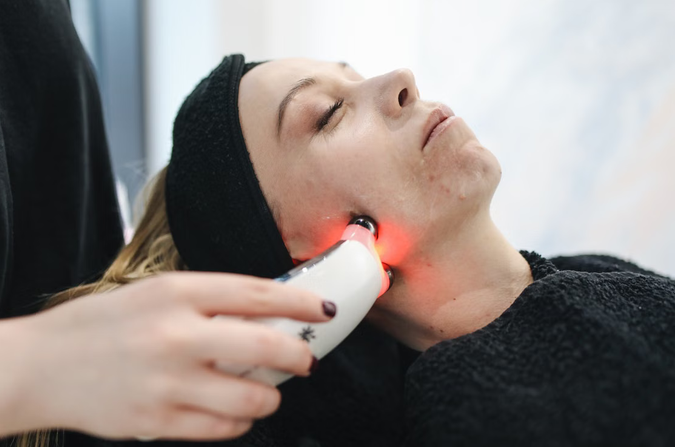
Advances in skincare have made it easier than ever to support healthy skin from home. Alongside a consistent skincare routine, many people are exploring the best red light therapy devices as part of their overall wellness plan. Red light therapy has gained attention for its potential to support collagen production, improve skin texture, and promote a more youthful appearance when used consistently. While it is not a substitute for proper skincare or professional medical advice, it can complement healthy habits and become a valuable addition to a balanced skin wellness routine.
Manage Stress for Healthier Skin
Stress can affect your skin in many ways, including increasing breakouts and making certain skin conditions more noticeable. Finding healthy ways to manage stress benefits both your mind and your complexion. Regular exercise, meditation, spending time outdoors, or simply taking breaks during a busy day can help reduce stress levels. A calmer lifestyle often contributes to healthier-looking skin over time.
Protect Your Skin From Everyday Damage
Daily exposure to sunlight, pollution, and harsh weather conditions can gradually affect your skin’s appearance. Wearing sunscreen, seeking shade during peak sunlight hours, and using protective clothing help reduce damage caused by ultraviolet rays. Gentle skincare products that match your skin type can also prevent unnecessary irritation. Small protective habits practiced every day can have lasting benefits for your skin’s health.
Stay Patient With Your Skin Journey
Healthy skin develops over time through consistent care rather than overnight results. Whether you are improving your diet, trying a new skincare routine, or incorporating modern wellness tools, patience is essential. Giving your skin enough time to respond to healthy habits allows you to see gradual improvements while avoiding the temptation to constantly change products. Long-term consistency is often the key to maintaining healthy, vibrant skin.
Improving skin wellness involves a combination of smart daily habits and thoughtful use of modern skincare solutions. Eating nutritious foods, protecting your skin from damage, getting enough sleep, managing stress, and maintaining a consistent routine all contribute to healthier skin. When combined with suitable wellness technologies, these habits can help you support your skin’s natural health and enjoy a radiant complexion for years to come.
…















 One way to treat dropping hormone levels is hormone therapy, also known as hormone replacement therapy. This involves taking hormones such as estrogen, progesterone, and testosterone to replace the ones that are not being produced naturally by the body. This treatment can help to restore balance in the body and reduce symptoms of hormonal imbalance.
 Finally, you can also make lifestyle changes to help reduce the symptoms of dropping hormone levels. Making simple changes such as eating a balanced diet, getting enough sleep and exercise, and decreasing stress can all help to improve your body’s hormone production. Additionally, limiting your intake of alcohol, caffeine, and sugar can also help to reduce the symptoms of hormonal imbalance.
 In order to avoid or handle stress, it is important to identify the sources of stress in your life. Common sources of stress include work, family obligations, financial difficulty, and physical health. Once you have identified the sources of stress in your life, you can start to take steps to address them.
 Another way to avoid or handle stress is to establish boundaries and priorities in your life. Make sure you set realistic expectations for yourself and prioritize the tasks that are most important to you. This will help reduce overwhelming feelings and allow you to focus on what matters. Additionally, it can be beneficial to create healthy boundaries with family and friends who may be making demands on your time.
 Finally, developing healthy coping mechanisms for dealing with stress is important. This could include activities such as yoga, meditation, journaling, or talking to a friend. Finding ways to relax and have fun is also beneficial, such as going for a walk, listening to music, or reading a book. Maintaining a healthy diet and getting enough sleep can also help reduce stress levels.
 A physiotherapy clinic is more cost-effective to manage disabilities than other care options such as surgeries and medications. The services offered at a physiotherapy clinic are tailored to each individual. The team of medical professionals working in the clinic will work with you and your family or careers to create an individualized
  Physiotherapists are experts in their field and can advise on rehabilitation,
 It is expensive for research companies to develop drugs, and seeking services from CROs would save your budget. Healthcare organizations would need to hire a staff to conduct their clinical trials were it not for CROs who help ease the burden. They would need material resources such as a building and proper equipment to handle the clinical trial properly.
 Pharmaceutical companies should consider hiring a CRO because they have access to data from multiple sources and can use it efficiently. It is essential to hire a CRO because you will need to use the available resources that will add value to your product at a cheaper cost.
 Many people tend to focus on cardio exercises when they want to lose body weight. Though some cardio workouts are effective, you should try weight training for a change. You might be surprised that weight training tends to be effective in burning body fats. To get the best results, you should consider incorporating strength training with your cardio workout routine.
 Apart from working out, you should consider the type of food you are regularly eating. Many people tend to be eating a lot of carbs. It is high time that you lower your daily card intake and try eating more protein.
 It is rather unfortunate that many people do not have to recommended period of sleep. The amount of sleep you have each day will play a significant role in the number of fats you gain.